
Seven Nevada Tribes Collaborate to Claim Over $3 Million for Home Energy Upgrades
Schurz, NV – Seven Nevada tribes collaborated with the Nevada Clean Energy Fund (NCEF) to access approximately $3 million in federal funds. The Fallon Paiute-Shoshone Tribe, the Fort McDermitt Paiute and Shoshone Tribe, the Pyramid Lake Paiute Tribe, the Shoshone-Paiute Tribes of the Duck Valley Indian Reservation, the Walker River Paiute Tribe, the Washoe Tribe of Nevada and California, and the Winnemucca Indian Colony will use the funds to perform home energy upgrades for their citizens, while NCEF will provide technical assistance and implementation support. The upgrades are intended to reduce energy bills while increasing comfort and resilience to extreme weather.
The funding comes from the U.S. Department of Energy’s Tribal Home Electrification and Appliance Rebate (HEAR) Program. Six tribes applied for the federal funds together in a consortium led by the Walker River Paiute Tribe. The Shoshone-Paiute Tribes of the Duck Valley Indian Reservation applied independently. NCEF provided assistance on the funding applications and is slated to support implementation in both cases.
“This is a great example of what NCEF’s Tribal Clean Energy Program makes possible,” said Kirsten Stasio, CEO of the Nevada Clean Energy Fund. “Each tribe alone had limited capacity to apply for and implement the funds. By collaborating together and with the support Nevada Clean Energy Fund, they were able to unlock this opportunity for their members. We hope to collaborate with more tribes on projects like this in the future, so that no tribe leaves available funding on the table.”
“The consortium model allows all participating tribes to unlock economies of scale during the application process and during program implementation. I hope the approach can be replicated many times in the future,” said Tashina Jim, Tribal Clean Energy Program Manager at the Nevada Clean Energy Fund. “I’m excited to be working with these seven tribes to launch a successful program.”
“The Walker River Paiute Tribe is proud to lead an inter-tribal consortium that has claimed over $2.4 million in federal funds for home energy upgrades,” said Melanie McFalls, Chairman of the Walker River Paiute Tribe. “We look forward to collaborating with our tribal partners and with NCEF to ensure that these funds benefit as many low-income and moderate-income Native households as possible across the state.”
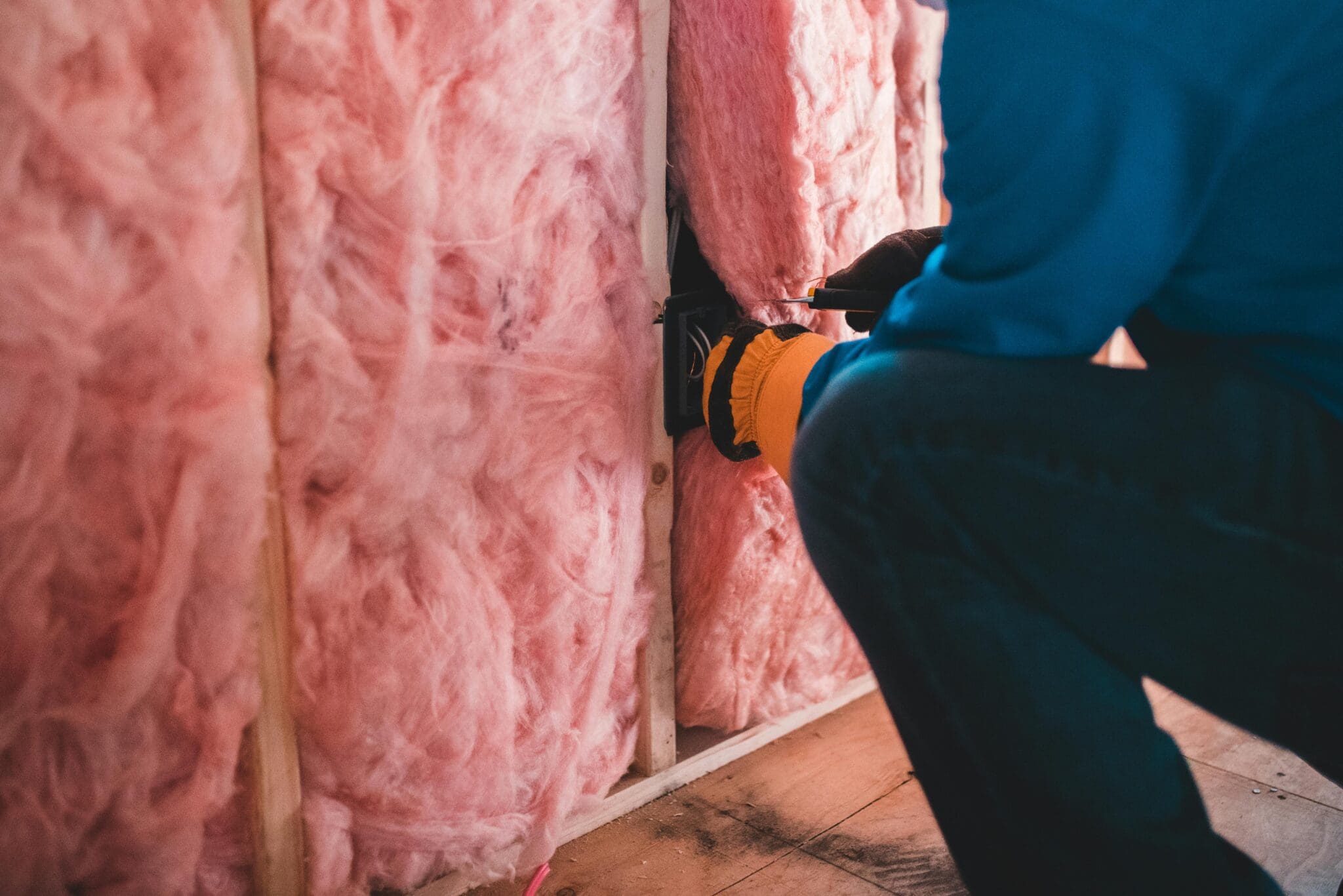
“The HEAR Program will allow us to perform home energy upgrades like insulating walls or replacing a twenty-year-old heater with a new and efficient electric one. These measures reduce energy bills immediately, and those savings last for decades,” said Steven Wadsworth, Chairman of the Pyramid Lake Paiute Tribe. “This program will have a broad, positive impact in our community, helping families, elders on fixed incomes, and other members make ends meet.”
“While the Tribe’s Housing Department maintains and upgrades tribally owned housing, there are low-income and moderate-income homeowners that are unable to afford energy upgrades, like insulation and air sealing, that would lower their utility bills and improve their resilience to extreme temperatures. The HEAR Program funding helps to fill that gap,” said Cathi Tuni, Chairwoman of the Fallon Paiute-Shoshone Tribe.
“Most of our tribal citizens live off reservation. The HEAR Program is a wonderful opportunity to reduce energy bills and increase comfort for our citizens, no matter where they live,” said Eric Magiera, Chairman of the Winnemucca Indian Colony. “The consortium model and the technical assistance from the Nevada Clean Energy Fund makes it easier for a smaller tribe to access these benefits on behalf of our members.”
“The HEAR Program will allow the Washoe Tribe of Nevada and California to carry out important home energy upgrades that require a one-time investment and lack a dedicated funding source,” said Serrell Smokey, Chairman of the Washoe Tribe of Nevada and California. “The outdated infrastructure in Washoe community homes, such as old electrical wiring, has led to two housefires in recent years. Safe and healthy homes are the main goal we want to give to our people. The HEAR funds are essential to starting the projects for us to meet that goal.”
“This program gives each tribe and each household the flexibility to determine how to best use the funding,” said Dackota York, Chairman of the Fort McDermitt Paiute and Shoshone Tribe. “My tribe will leverage our partnership with NCEF to identify and vet contractors to perform the upgrades. And each household will get to choose what kind of upgrade is implemented in their home, whether it’s a new water heater or a new electric range. This approach streamlines program implementation for our tribal staff, while maximizing the positive impact for our tribal members.”
“The funding from the HEAR Program will bring environmental, economic, and health benefits to our citizens,” said Brian Mason, Chairman of the Shoshone-Paiute Tribes of the Duck Valley Indian Reservation. “In collaboration with NCEF, we will develop a program that lowers utility bills, reduces harmful emissions, and improves indoor air quality for homes on and off the Duck Valley Reservation. We look forward to launching this program soon.”
“On many of Nevada’s Tribal lands, energy insecurity is a daily reality, with frequent power outages and a reliance on wood or propane for heating,” said Daphne Hooper, Director of Indigenous Relations at the University of Nevada Reno, a citizen of the Walker River Paiute Tribe, and a member of NCEF’s Advisory Council. “Clean energy from these federal funds has the potential to deliver much-needed relief to Nevada’s Tribes in the form of lower energy costs, reduced health impacts from indoor air pollution, jobs, and economic growth opportunities.”
NCEF anticipates that the home energy upgrades will begin by the end of 2025. There will be extensive collaboration between each tribe and NCEF, as well as an outreach and education campaign to inform tribal households of their upgrade options.
NCEF’s Tribal Clean Energy Program is funded with the generous support of the NV Energy Foundation.
About the Nevada Clean Energy Fund
The Nevada Clean Energy Fund (NCEF) is a nonprofit organization that supports a thriving, affordable, and accessible clean energy economy by providing financial and technical resources to Nevadans. NCEF was established by Nevada legislation in 2017 as the state’s green bank. NCEF implements programs for diverse Nevada stakeholders, including affordable housing, Tribes, nonprofits, schools, local governments, and rural communities. Clean energy measures include building electrification and efficiency, renewable energy, clean vehicles, and others.