
NV Energy Launches Solar-Powered Affordable Housing Tariff Applications After Regulatory Approval
NV Energy launched applications for its Solar-Powered Affordable Housing tariffs yesterday after the Public Utilities Commission of Nevada (PUCN) issued an Order approving the tariffs. This development clears a longstanding barrier that prevented certain low-income multifamily affordable housing residents across Nevada from benefitting from solar. The Solar-Powered Affordable Housing tariffs were authorized under Assembly Bill 458 (AB 458) and signed into law in June 2025.
“Once implemented, this program will unlock solar access for over 40,000 low-income Nevada households,” said Assemblymember Howard Watts, sponsor of AB 458. “With the PUCN’s Order in place, NV Energy has a clear path to move these tariffs forward, and they must do so swiftly to give these Nevadans much-needed relief.”
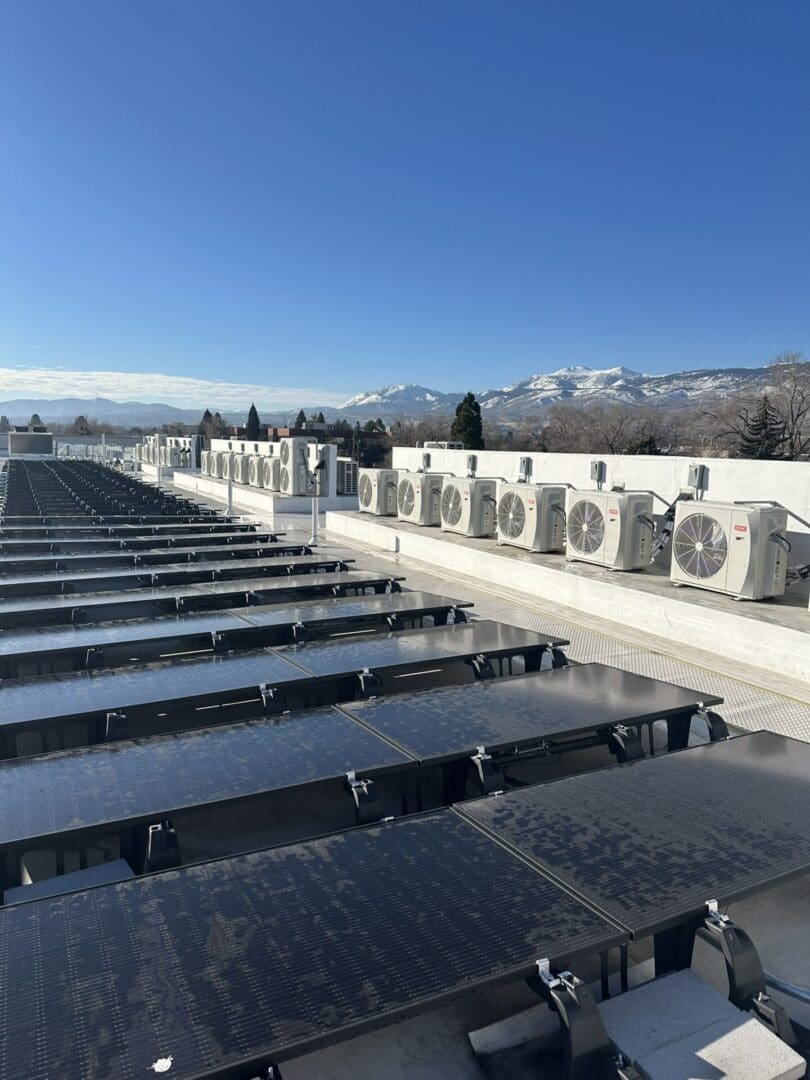
AB 458 received broad support from stakeholders in the housing and energy sectors, including affordable housing developers like Northern Nevada Building Trades Development Corp. who is renovating Carville Park Senior Apartments in Reno, Nevada. Carville Park is a Section 8 affordable housing complex with 208 units that provides housing for seniors, many of whom live on fixed incomes. The Northern Nevada Building Trades Development Corp. has been attempting to integrate solar into the project to reduce operating costs and protect residents from rising utility bills.
“We have been working for almost two years to get solar built at Carville Park Senior Apartments” said Rob Benner, Executive Secretary‑Treasurer of the Northern Nevada Building Trades Development Corp. “Before this rehab, our tenants had to pay their own power bills. With this change, solar power will help protect our seniors from rising costs and keep more money in their pockets. Now that the PUCN has approved these tariffs, we hope NV Energy will implement them quickly.”
NV Energy requested and received PUCN approval for 180 additional days to implement the tariff. In addition, NV Energy committed to “have the process in place to accept applications as of the date the Commission issues its Order and will retroactively credit approved systems installed after the date of the Order and prior to the tariffs becoming effective.”
The Nevada Clean Energy Fund (NCEF) worked with PUCN Regulatory Operations Staff and NV Energy staff to provide detailed feedback on the tariffs—including those captured in NCEF’s public comments. The PUCN and NV Energy reached a stipulation—a written agreement on the proposed tariffs—that reduced the need for lengthy regulatory hearings.
“Affordable housing projects that are individually-metered can now apply for this tariff to put solar on their developments, reduce operating costs, and take advantage of federal solar tax credits,” said Kirsten Stasio, CEO of the Nevada Clean Energy Fund. “We appreciate that the Public Utilities Commission and NV Energy worked to agree on a path forward. We look forward to continuing to work with NV Energy and the housing community to translate this tariff into real projects and benefits for Nevada’s communities.”
About Nevada Clean Energy Fund
The Nevada Clean Energy Fund (NCEF) is a nonprofit organization that supports a thriving, affordable, and accessible clean energy economy by providing financial and technical resources to Nevadans. NCEF was created by state legislation in 2017 to serve as Nevada’s green bank. NCEF implements programs for households, affordable housing developers, tribes, small businesses, nonprofits, schools, local governments, and rural communities.